November 18, 2026
Sunlight can make even a short drive uncomfortable. Heat builds up inside the cabin, glare interferes with a relaxed view of the road, and prolonged exposure can affect interior materials. These concerns arise during daily commutes, parked afternoons, and long workdays.
Professional auto window tint can address these concerns without changing the vehicle's design. Its benefits depend on film type, visible light transmission, and installation quality. Understanding those differences helps drivers choose for practical reasons, not appearance alone.
Greater Comfort When Temperatures Rise
After a vehicle sits in direct sunlight, the steering wheel, seats, and surrounding trim can become hot to the touch. Window film can reduce part of that solar heat entering through the glass, helping limit heat buildup.
Less incoming solar heat can make sunlight feel less intense and help maintain cabin comfort on longer drives. Air conditioning still cools the vehicle, but reducing heat entering through the windows can make a warm cabin more manageable. The effect will vary with the film, weather, glass, and vehicle.
Heat rejection is an important reason to consider auto window tint, but darkness alone does not determine how effectively a film performs. Some lighter films offer meaningful heat control, while a darker appearance does not necessarily indicate better performance. Asking about a film's heat-rejection properties is more useful than choosing it solely by shade.
Less Distracting Glare on the Road
Low-angle sunlight can be distracting during morning or late-afternoon driving. Bright light entering through side windows may cause squinting and discomfort, especially on long routes where the sun stays in nearly the same position. Reflections can add to the problem.
Window tint can moderate some of this incoming brightness, making the cabin feel more comfortable without requiring constant adjustments to avoid the sun. Glare reduction can be especially useful on exposed highways, although no film eliminates every reflection or challenging lighting condition.
The goal, however, is not to make the windows as dark as possible. Film that blocks too much visible light can make it harder to see details outside, particularly at night or in poor weather. Effective auto window tint balances glare reduction with clear outward visibility and the applicable legal limits. A professional can explain which options suit the vehicle and its use.
Protection for Interior Materials
Sunlight exposure affects more than the temperature of a vehicle. Over time, ultraviolet radiation can contribute to fading and deterioration in upholstery, dashboard materials, and other interior surfaces. Vehicles parked outdoors may face especially sustained exposure.
Tint film that filters ultraviolet light helps reduce the amount passing through treated windows. Seats and door panels beside side windows receive repeated exposure during ordinary trips, making the cumulative effect of sunlight worth considering. Over months and years, limiting that exposure may help interior colors and finishes retain their appearance. It does not stop every form of aging, since heat, use, and ordinary material wear also play a role.
UV filtering is not the same measure as visible darkness or heat rejection. Two films that look similar from outside may perform differently in these areas. When comparing auto window tint options, consider the stated UV protection alongside heat control and appearance rather than assuming all dark films provide identical benefits. Even a visually subtle film may offer meaningful UV filtering without dramatically changing the glass's appearance.
More Privacy Without Losing Sight of the Road
Privacy is another reason drivers choose tinted windows. Reducing how easily others can see into the cabin can make passengers feel less exposed and limit casual views of items inside. Tint does not replace securing belongings, and privacy changes with lighting. A lit cabin at night may remain visible even behind darker film.
One specification worth understanding is visible light transmission, or VLT. According to TintFinder, film rated at 5% VLT allows only about one-twentieth of visible light to pass through, whereas a 70% VLT film lets through most available light. Lower VLT means a darker result, not necessarily stronger UV filtering or better heat rejection.
Shade must balance visibility with privacy. Darker tint can reduce what occupants see through the glass in low light, and window tint rules differ depending on location and which vehicle windows are being treated. Discussing legal limits and driving conditions before selecting a shade helps prevent a privacy preference from compromising usability.
A Choice Between Carbon and Ceramic Films
Tint is not one uniform product. Carbon and ceramic films can both improve the driving experience, but they are suited to somewhat different priorities. The distinctions go beyond appearance.
Carbon film offers privacy, glare reduction, UV protection, and a fade-resistant finish. It suits drivers seeking dependable everyday benefits. Ceramic film places greater emphasis on rejecting infrared heat while maintaining clarity and signal transmission. Those qualities suit drivers who prioritize heat control.
Neither film type should be selected on its name alone. Someone chiefly concerned about glare may prioritize different characteristics from a driver seeking the strongest available heat rejection. Actual performance varies by product, so the specific film's properties and intended use deserve attention. When comparing auto window tint, it helps to weigh the importance of heat rejection, privacy, and outward visibility. The choice should follow those priorities rather than assumptions.
A Cleaner, More Consistent Appearance
Tint can subtly change how a vehicle looks by giving its windows a more uniform finish. Depending on the selected shade, it may create a darker appearance or simply reduce the contrast between the glass and surrounding trim. The effect can complement the vehicle's existing design.
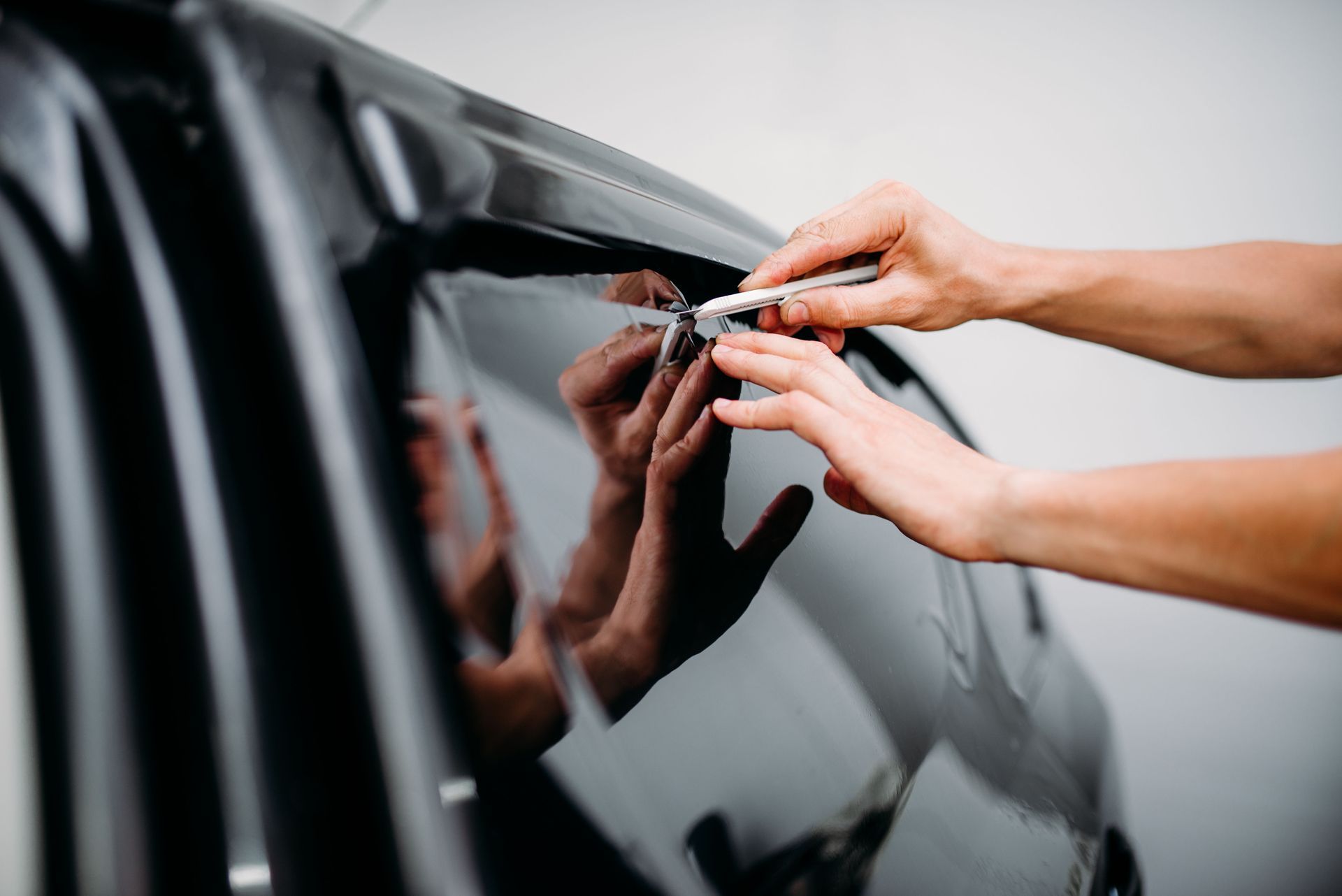
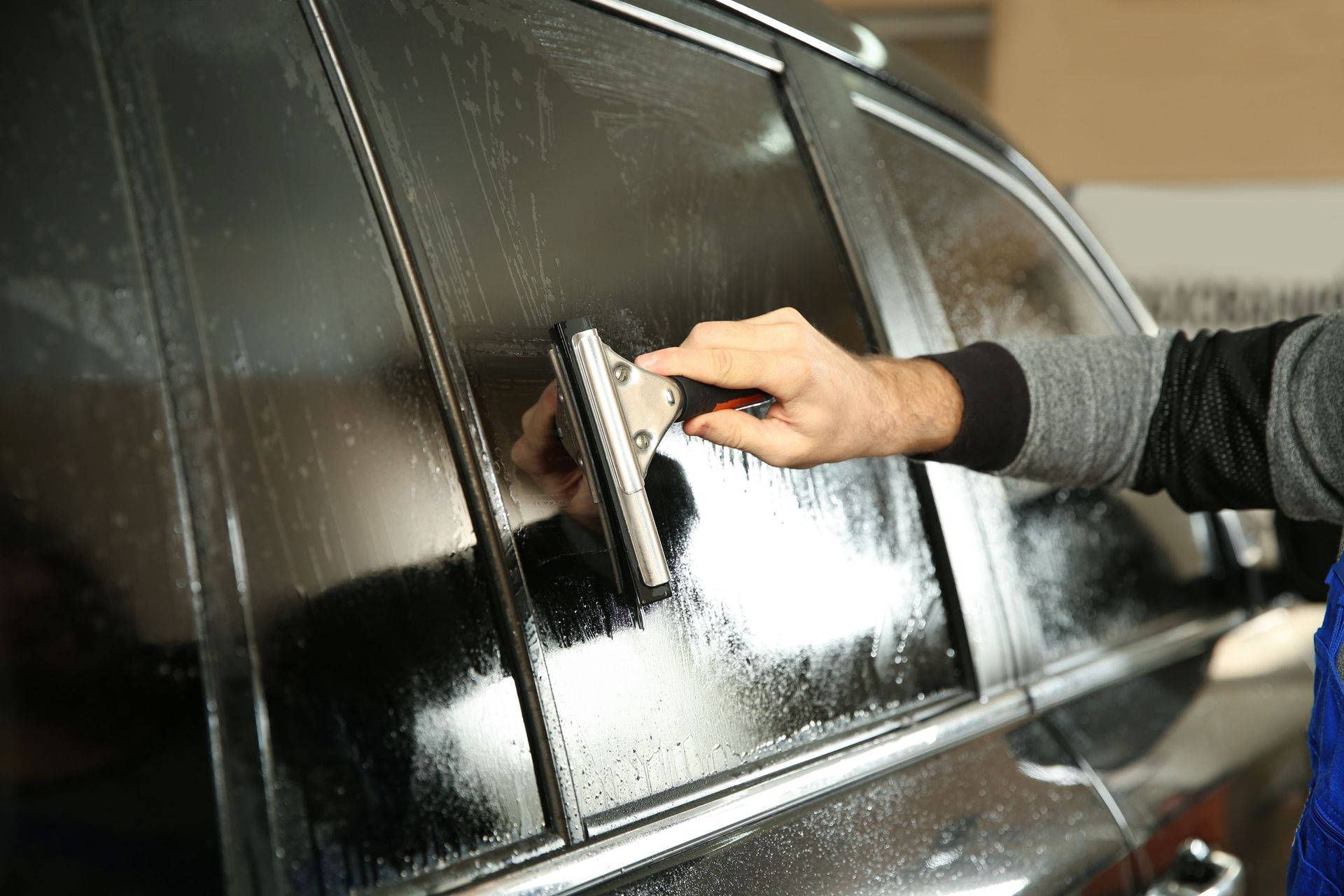
The finished appearance depends heavily on installation quality. Window shapes and contours call for careful fitting, particularly around the edges. Dust trapped beneath the film, visible bubbles, uneven edges, or poorly fitted sections can make even a suitable product look unfinished. Professional application focuses on careful glass preparation, accurate film sizing, and clean edges so the result appears intentional.
Durability matters here as well. Film that resists fading helps preserve its appearance through continued exposure to sunlight. Suitable film and precise application can support an attractive finish over time. That is a practical consideration for anyone who wants the visual benefits of tint without a distracting result.
Benefits Beyond Everyday Passenger Cars
The case for tinted windows extends to trucks, SUVs, tractors, and certain power sports vehicles. Some drivers spend much of their day moving between destinations, while others work from an equipment cab in direct sunlight. Heat and glare can affect comfort in each setting.
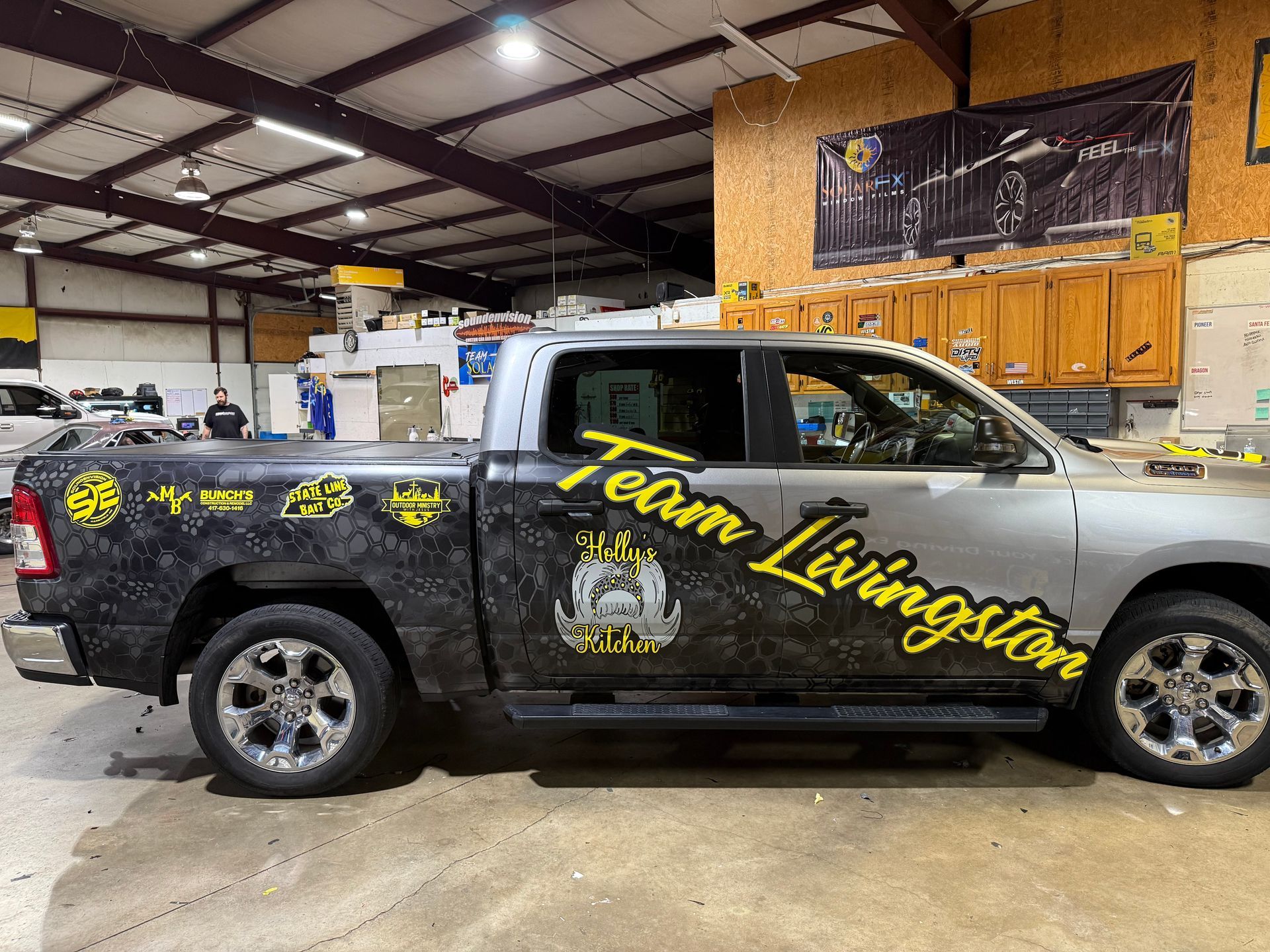
For a truck used on long work routes, reduced glare may make hours behind the wheel more pleasant. A tractor operator may value less direct sunlight entering the cab during extended outdoor work. In an SUV used for family travel, limiting solar heat and UV exposure can improve the experience for passengers as well as the driver.
Each vehicle has its own window shapes, visibility requirements, and legal considerations. Equipment cabs may have different glass contours from passenger cars, so installation cannot be treated as identical across vehicles. That makes the suitability of the film and the precision of its application especially important. For equipment used across different tasks, that discussion becomes particularly useful. Owners should discuss how each vehicle is used before selecting film.
Window tint is most useful when its performance matches the driver's needs, not simply when the glass looks darker. A useful choice should remain comfortable and practical through everyday driving and changing light conditions. At Sound Envision LLC, we install carbon and ceramic tint on a range of vehicles and equipment, with options for different driving priorities. Contact us to discuss the film and shade that may suit your vehicle.