September 17, 2026
A professional vehicle wrap can completely transform the appearance of a car, truck, or SUV, but achieving a smooth, polished finish requires far more than simply applying vinyl to the body. Every stage of the process, from cleaning the paint to positioning the material around curves and trim, affects how the finished wrap looks and performs. Experienced installers use specialized tools, careful preparation, controlled techniques, and close attention to detail to reduce bubbles, wrinkles, lifting edges, and uneven seams. High-quality car wrap services depend on a combination of proper materials and skilled installation. Understanding how professionals approach the process can help vehicle owners see why preparation and technique matter so much when creating a clean, consistent wrap.
Preparing the Vehicle Surface Thoroughly
The first step toward a flawless wrap is making sure the vehicle surface is completely clean and ready for adhesion. Dirt, wax, grease, road film, and other contaminants can prevent vinyl from bonding evenly to the paint. Professional installers typically wash the vehicle carefully and then clean critical areas with products that remove residues without leaving behind oils or coatings. Edges, door handles, trim, seams, and recessed areas receive particular attention because even a small amount of contamination can cause the vinyl to lift later.
Surface preparation also includes inspecting the paint for chips, peeling clear coat, rust, dents, or other imperfections. Vinyl tends to follow the shape and texture beneath it, so existing flaws may remain visible after installation. Providers of car wrap services can identify these concerns before application and explain whether repairs may be appropriate first. Taking time to prepare the surface properly creates a cleaner foundation for the material and reduces the chance that hidden debris or damaged paint will interfere with the finished appearance. A careful inspection also gives installers an opportunity to identify areas that may require additional preparation before the wrapping process begins.
Measuring and Planning Each Panel Carefully
Before vinyl is applied, installers need to plan how the material will cover each section of the vehicle. Body panels vary in size, shape, curvature, and access, so careful measurement helps determine how much vinyl is needed and how each piece should be positioned. Installers may also decide where seams should fall so they are less noticeable and less likely to experience unnecessary stress. Planning ahead reduces material waste and makes it easier to maintain consistent alignment from one panel to the next. It also helps installers account for areas where additional material may be needed to wrap around edges or complex contours.
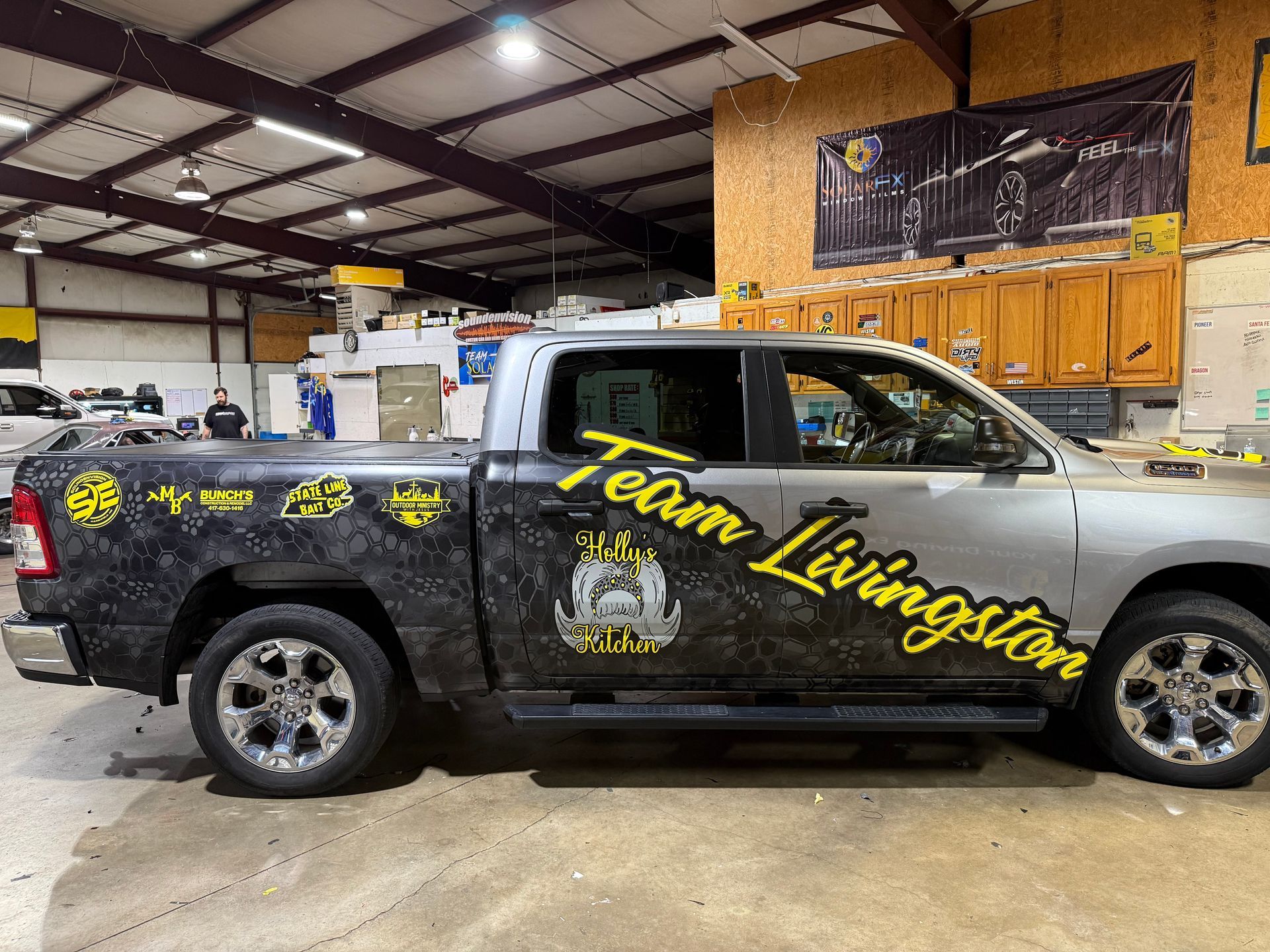
This stage is especially important when the wrap includes graphics, logos, stripes, or patterns that must line up accurately. A small positioning error on one panel can become much more noticeable when the design continues across doors, fenders, or quarter panels. Professional car wrap services rely on accurate measurements and visual planning before the material is fully bonded. By considering panel shape and design placement in advance, installers can create a more cohesive result and avoid unnecessary repositioning later in the process.
Applying the Vinyl With Controlled Technique
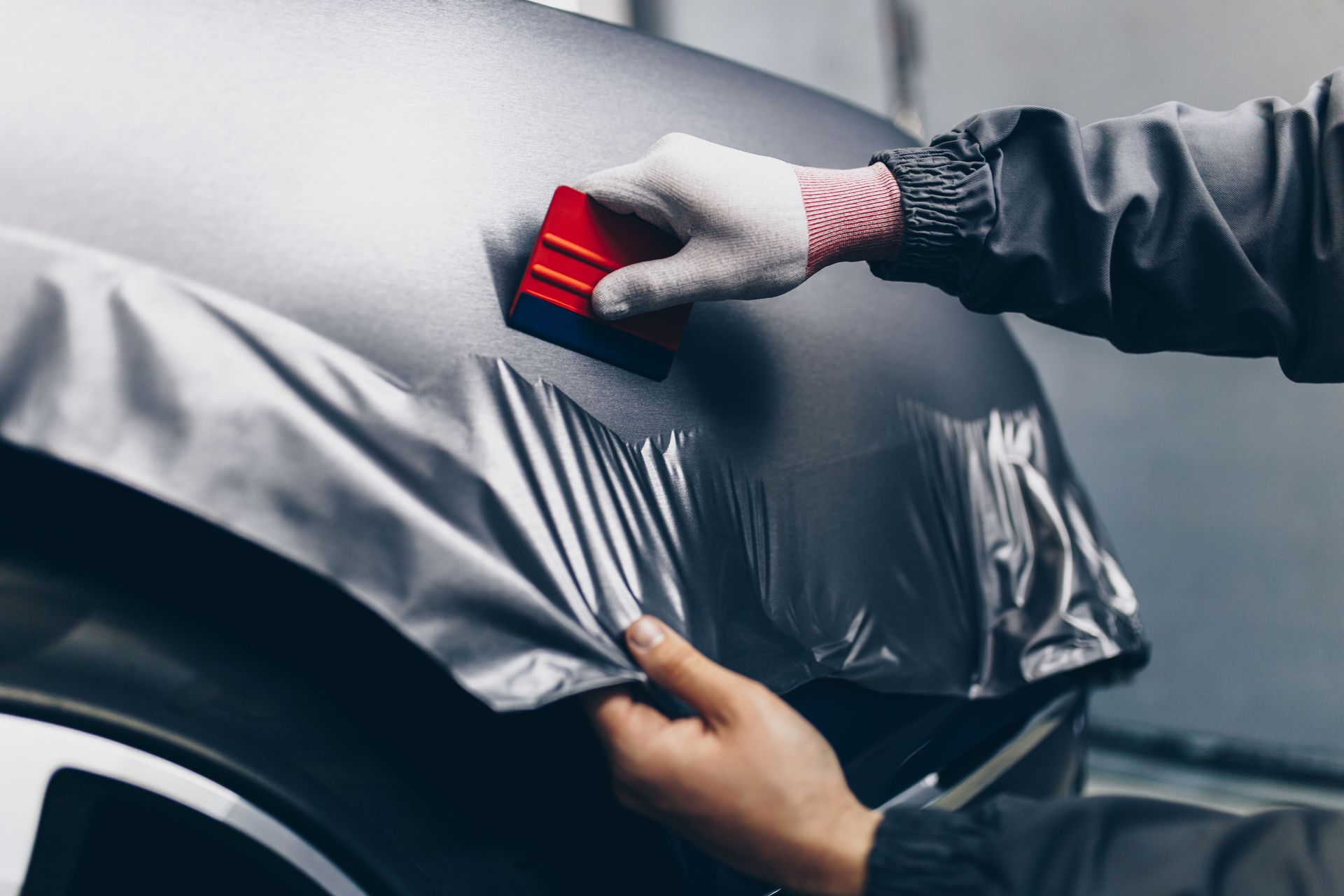
Once the surface is prepared and the material is positioned, the installer begins applying the vinyl using controlled pressure and specialized tools. Squeegees help smooth the film across flatter areas while pushing trapped air toward the edges. Many modern wrap films include air-release channels that make bubbles easier to remove, but technique still matters. Applying too much pressure too quickly can create creases, while stretching the material excessively can distort its appearance and weaken adhesion in high-stress areas.
Experienced installers work gradually, adjusting the vinyl as needed before locking it into place. Temperature, angle, and tension all affect how the film behaves during application. Car wrap services performed by trained professionals often involve repeatedly checking the material from different angles to make sure it lies smoothly and evenly. This careful approach helps prevent wrinkles and trapped air while preserving the intended finish of the vinyl, whether the customer has chosen a gloss, matte, satin, metallic, or textured appearance. Working in smaller, controlled sections also allows installers to correct positioning before larger imperfections develop.
Shaping the Material Around Curves and Recesses
Vehicles contain many complex surfaces that make wrapping more challenging than covering a flat panel. Bumpers, mirrors, wheel arches, door handles, body lines, and recessed areas require the vinyl to conform without becoming overstretched. Installers use controlled heat to make the material more flexible, allowing it to follow curves and contours more naturally. The goal is to shape the vinyl without weakening it or placing excessive tension in areas where the material may later pull back.
Proper heat management is essential during this stage. Too little heat can make the vinyl difficult to form, while too much can damage the material or alter its finish. According to TurtleWax, vinyl car wraps may remain in good condition for three to ten years, depending on factors such as material quality, environmental exposure, maintenance, and installation. Skilled car wrap services use careful heating and stretching techniques to reduce stress on the film, particularly around deep channels and edges where lifting or shrinkage may otherwise become more likely over time.
Trimming and Finishing the Edges Precisely
Clean edges can make a major difference in how professional a wrap looks. After the vinyl is positioned, installers carefully trim excess material around panel edges, trim pieces, lights, windows, and openings. The cuts need to be precise enough to create a neat line without damaging the vehicle's paint beneath the film. Installers may use specialized blades and cutting techniques designed to control the depth and direction of each cut. Patience during trimming is important because even a small uneven section can stand out against an otherwise smooth finish.
Edges are also tucked or sealed where appropriate, so the material looks finished and remains secure. Corners and transition points require particular care because these areas can experience more tension than broad, flat surfaces. Providers of car wrap services inspect these details closely before moving on to the final stages of the job. A properly finished edge should look deliberate and clean rather than rough or uneven, helping the wrap appear more integrated with the shape of the vehicle.
Inspecting and Post-Heating the Finished Wrap
Professional installation does not end as soon as the last piece of vinyl is applied. Installers inspect the entire vehicle for bubbles, lifting edges, wrinkles, alignment issues, and areas that may need additional attention. Viewing the wrap under good lighting and from multiple angles can reveal small imperfections that might be easy to miss during application. Any problem areas can then be corrected before the vehicle is returned to the owner.
Post-heating is another important finishing step, particularly in areas where the vinyl has been stretched around curves or recesses. Controlled heat helps the film settle into its final shape and can reduce the tendency for stretched areas to return to their original form. Professional car wrap services use this final stage to reinforce the work completed during installation and confirm that the film is secure across the vehicle. Thorough inspection and finishing help create a consistent appearance while reducing the risk of early lifting or other installation-related problems.
A flawless vehicle wrap depends on careful work at every stage, not just the moment when vinyl first touches the paint. Thorough cleaning, precise measurement, controlled application, careful shaping, accurate trimming, and final inspection all contribute to a smooth and durable result. Choosing experienced installers can help vehicle owners avoid common problems such as bubbles, wrinkles, uneven seams, or lifting edges while achieving the appearance they want. Professional installers understand how different vehicle shapes and vinyl materials respond during application, allowing them to adjust their techniques throughout the process. Paying attention to these details can make the difference between a wrap that looks rushed and one that appears professionally integrated with the vehicle. If you are ready to update your vehicle with a professionally installed wrap, contact Sound Envision LLC.